Materials guide · 8 minute read
Outdoor mosaic adhesives compared: silicone vs. thinset vs. epoxy
There is no single best outdoor mosaic adhesive. The right choice is a complete, manufacturer-approved system for your exact glass or tile, backer, exposure, temperature range, and working method. Flexible silicone, cement-based thinset, and two-part epoxy solve different problems and are not interchangeable by default.
Written by Yard Mosaic. Product guidance reviewed by Yard Mosaic. Published July 13, 2026 · Updated July 31, 2026.
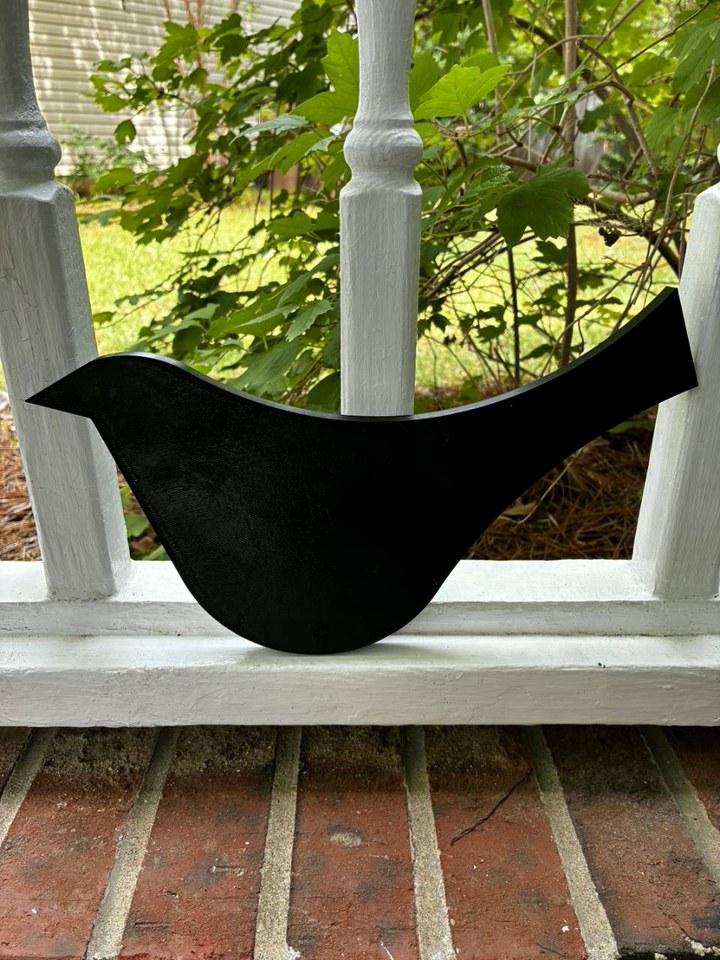
Silicone, thinset, and epoxy at a glance
| Category | Why makers consider it | What to verify before use |
|---|---|---|
| Exterior 100% silicone | Remains flexible and can suit smaller glass or ceramic pieces when the exact formula lists the materials and exposure. | Substrate compatibility, primer needs, joint thickness, ventilation, cure depth, paintability, and outdoor or water-exposure rating. |
| Polymer-modified thinset mortar | A familiar tile-setting material in manufacturer-designed cementitious or masonry assemblies. | Whether the mortar system explicitly supports a nonporous polymer such as ASA. Do not assume a product intended for cement board will bond to plastic. |
| Two-part epoxy | Can provide a strong, low-absorption bond in systems that list the exact substrates. | Mix ratio, pot life, heat during cure, rigidity, ultraviolet and temperature exposure, cleanup, PPE, and whether the cured bond accommodates movement. |
Prepare an ASA backer deliberately
- Dry-fit the entire layout and keep the stake socket and edges clear.
- Wash away surface contamination with a method allowed by the adhesive maker, then let the backer dry completely.
- Lightly scuff the bonding area only when the adhesive instructions permit it; remove every trace of sanding dust.
- Test the exact glass or tile, adhesive, backer color, grout plan, and cure conditions on a sample before the full project.
Account for movement, water, and temperature
Glass, grout, adhesive, and the backer expand and contract at different rates. A rigid setting material may behave differently from a flexible sealant as sunlight, shade, moisture, and temperature change.
Look for written guidance covering exterior use, expected temperature range, intermittent or sustained moisture, ultraviolet exposure, and the exact tile and substrate. If the manufacturer does not list the combination, ask its technical support team or choose a documented system.
Treat cure time and safety as part of the build
Working time, skin-over time, handling time, and full cure are different milestones. Follow the longest applicable instruction before grouting, mounting, or placing the mosaic outdoors; cool or humid conditions may change the schedule.
Use the ventilation, gloves, eye protection, respiratory protection, and cleanup methods specified on the current label and safety data sheet. Keep uncured products away from children, pets, food areas, and ignition sources as directed.
Choose your next step
- See an ASA backer specification — Review an actual blank backer's material, dimensions, and what is not included.
- Read care and installation notes — Review Yard Mosaic's current preparation, hardware, and outdoor-use guidance.
- Ask a product question — Tell us the exact materials you are considering before you begin.